Motion Sensor Security Alarm Systems: How They Work and How To Choose One
Contents
Most break-ins take less than 10 minutes, and many happen while people are at home but distracted. A motion sensor security alarm system gives you an extra set of eyes that never blinks. It detects movement in key areas, sounds an alarm, and can send alerts to your phone before a thief reaches your valuables or your bedroom door. Modern systems are easier to install and smarter than older wired alarms. The hard part is knowing what to buy, where to place sensors, and how to avoid annoying false alarms, so a clear plan makes a big difference.
What Is a Motion Sensor Security Alarm System and Why It Matters
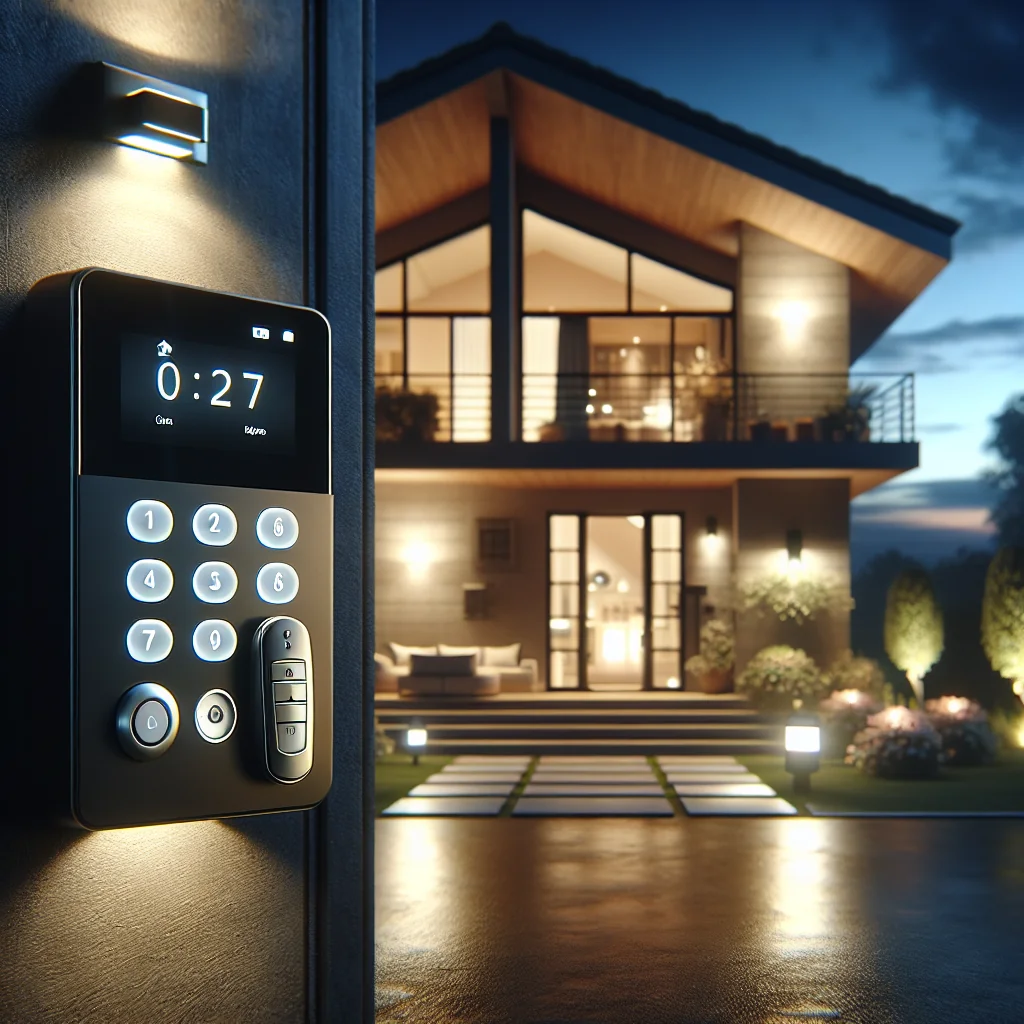
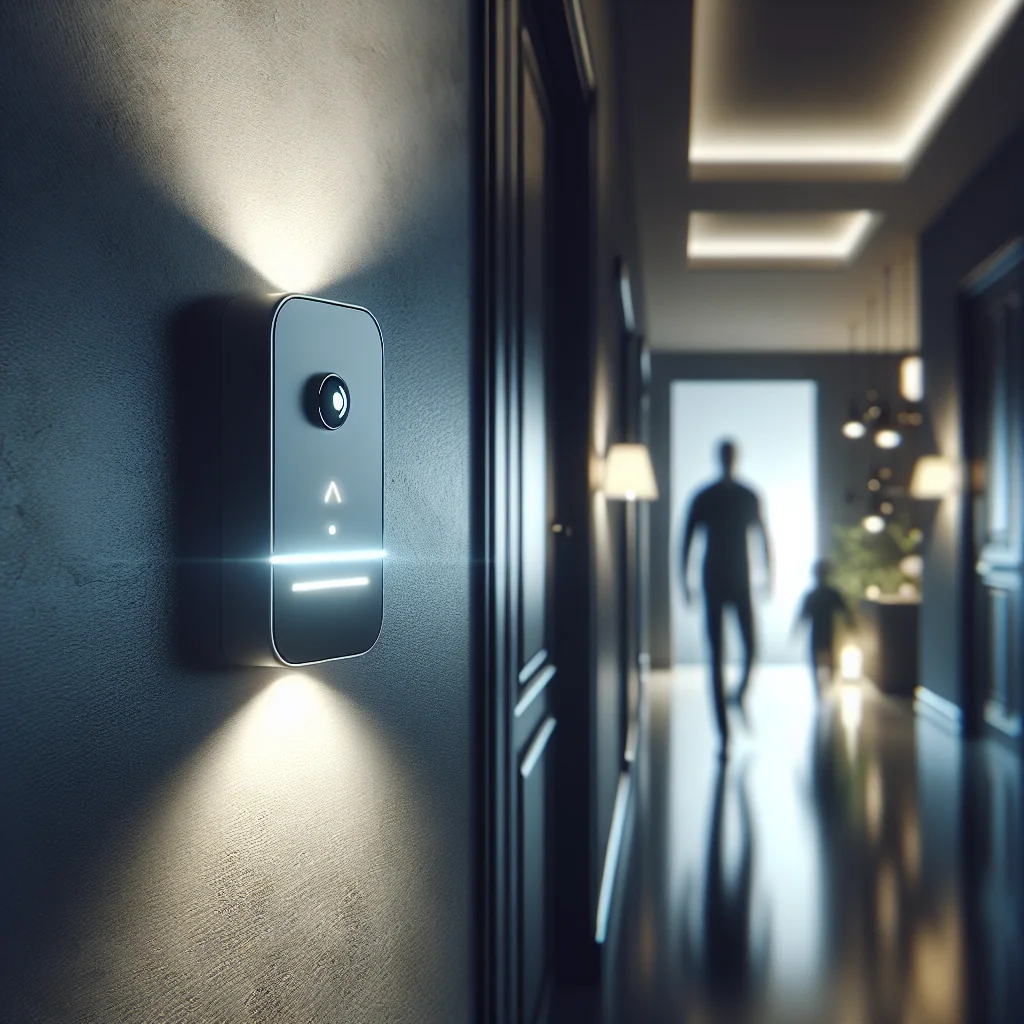
A motion sensor security alarm system uses electronic sensors to detect movement and then trigger a response such as a loud siren, a phone alert, or a recording from a camera. Instead of watching every door and window, it watches the spaces people must pass through, like hallways, staircases, and driveways. This makes coverage efficient and keeps hardware costs under control.
Most systems use one or more of three main technologies: passive infrared (PIR) to detect body heat, microwave to detect movement using radio waves, and dual-technology sensors that combine both to reduce false alarms. Many modern systems connect to Wi‑Fi or a hub so you can arm and disarm them from an app and receive notifications in real time.
People choose motion sensor alarm systems because they provide several clear benefits that fit both homes and small businesses.
- Early detection of intruders before they reach bedrooms, safes, or stockrooms.
- Wide coverage with fewer devices by monitoring key pathways instead of every entry point.
- Visible deterrence when outdoor sensors and sirens signal that a property is protected.
- Flexible installation options for renters and homeowners, including wireless and battery-powered units.
- Smart alerts that send notifications to phones or integrate with cameras and smart lights.
Used correctly, motion sensor alarms reduce the time an intruder has inside your property and increase the chance that neighbors or you will notice and respond. They also help you monitor deliveries, outbuildings, and parking areas without sitting in front of a screen all day.
How To Plan and Install a Motion Sensor Security Alarm System
Good security starts with a clear plan, not with buying the most expensive kit. A motion sensor security alarm system works best when you match the sensor type and placement to how people move through your home or business. The steps below break the process into simple actions you can follow even if you have never installed a security device before.
Step 1: Map Your High-Risk Areas and Movement Paths
Start by walking through your property as if you were an intruder. Look for the easiest paths from outside to your most valuable or sensitive areas. In a house, this might be from the back door to the living room and up the stairs to the main bedroom. In a small shop, it might be from the front door to the till and then to the stockroom or safe.
Sketch a simple floor plan on paper. Mark entry points such as doors, large windows, and garage access. Then draw arrows showing the likely routes someone would take. These routes are where motion sensors work best, because anyone moving deeper into the property must cross them.
For outdoor coverage, think about approaches rather than just boundaries. A sensor at the top of a driveway, near a side gate, or covering a dark path beside the house can give you earlier warning than a sensor right on the door. For example, a sensor that sees a person walk up the driveway gives you several extra seconds to react compared with one that only sees the door open.
Step 2: Choose the Right Types of Motion Sensors
Once you know where you need coverage, match each area to an appropriate sensor type. Indoors, passive infrared (PIR) sensors are the standard choice. They detect changes in heat patterns and work well for spotting people walking through rooms and hallways. They are also energy efficient, which suits battery-powered units that you might mount in rental properties.
Microwave sensors send out radio waves and measure their reflection. They can see through some thin materials like glass and light partitions, which can be useful in large open spaces or warehouses. However, they are more prone to false alarms from moving machinery, fans, or even passing traffic if you place them badly, such as facing a busy road through a thin wall.
Dual-technology sensors combine PIR and microwave in a single unit. Both technologies must agree that movement is present before triggering an alarm. This reduces false alarms in tricky areas, such as near HVAC vents or large windows that receive direct sunlight during part of the day.
For outdoor use, look for sensors rated for weather resistance with adjustable sensitivity and detection zones. Some outdoor models allow you to mask part of the detection area so you can ignore a public footpath but still monitor your garden or yard. This helps you avoid constant alerts caused by people who walk past your boundary but never enter your property.
Step 3: Install, Test, and Fine-Tune Your System
With your plan and sensor types decided, you can move on to installation. Many modern motion sensor alarm systems are wireless, which simplifies placement and avoids drilling through walls. Mount indoor sensors at a height of about 2 to 2.4 meters (roughly 6.5 to 8 feet), angled to cover the area where people walk rather than pointing straight at doors or windows.
Place sensors in corners of rooms to maximize coverage. Aim them across likely movement paths rather than directly at them. For example, a sensor at the end of a hallway pointing down the length of the corridor will detect movement more reliably than one on the side wall pointing across a narrow section where people only pass through for a split second.
Keep sensors away from heat sources and rapid temperature changes. Avoid placing them directly above radiators, near fireplaces, facing large windows with strong sunlight, or near air conditioning vents. These conditions can cause false triggers on PIR sensors. For microwave sensors, avoid placing them next to large metal surfaces that can reflect signals in odd ways and create ghost movement.
After mounting each sensor, test it while the system is in walk-test mode if available. Walk through the detection zone from different directions and at different speeds. Confirm that the sensor triggers consistently where you expect but stays quiet when no one is present. Adjust the angle and sensitivity if you get missed detections or too many false alerts, and repeat the test until performance is stable.
Connect the sensors to your control panel or smart hub. Set up arming modes such as “away” for full coverage and “home” or “night” for partial coverage that ignores normal movement in some areas. For example, you might arm downstairs sensors at night while leaving upstairs disarmed so you can move freely, or arm office stockrooms after closing while leaving reception areas available for late staff.
Comparing Motion Sensor Security Alarm Options
Motion sensor alarm systems vary in price, features, and complexity. Some options suit a single garage or shed, while others suit busy shops or large homes. The points below help you compare typical system types before you spend money on hardware.
Main Types of Motion Sensor Alarm Systems
Most buyers choose between standalone units, wireless kits, wired systems, or integrated setups with cameras and smart devices. Each type has a different balance of cost, coverage, and ease of use.
| System Type | Typical Cost Range | Installation | Best For | Main Pros | Main Cons |
|---|---|---|---|---|---|
| Standalone Motion Alarm (Battery) | Low | DIY, simple mount | Sheds, garages, small rooms | Cheap, quick to install, portable | Limited coverage, no smart alerts |
| Wireless Motion Sensors + Smart Hub | Medium | DIY-friendly | Homes, small offices | App control, flexible placement, scalable | Depends on Wi‑Fi and batteries |
| Wired Motion Alarm System | Medium to High | Professional or advanced DIY | Larger homes, shops, warehouses | Stable, no battery changes, harder to tamper | More invasive install, higher upfront cost |
| Integrated Motion + CCTV System | High | Usually professional | Businesses, high-risk properties | Video verification, strong deterrent, detailed records | Complex setup, higher monitoring and storage needs |
| Smart Home Motion Sensors (with Ecosystem) | Medium | DIY, app-based | Tech-savvy homeowners | Works with lights, locks, voice assistants | May require subscriptions, brand lock-in |
Standalone motion alarms suit quick, low-cost protection for single rooms or outbuildings, such as a garden shed with tools. Wireless systems with hubs give most households the best mix of flexibility and price, especially if you want phone alerts. Wired and integrated camera systems make more sense for larger or higher-risk sites where stability and detailed evidence matter more than easy installation. Smart home sensors sit in the middle, ideal if you already use smart lights or locks and want your security to work with them.
How To Match a System Type to Your Situation
To pick the right category, start with property size and risk. A small flat with one entrance can often rely on a wireless kit with two or three PIR sensors. A corner shop with a rear entrance and stockroom might need a wired or hybrid system with a mix of motion sensors and door contacts.
Think about who will manage the system each day. If you want simple controls for family members or staff, a wireless kit with clear app controls might beat a complex professional panel. If you expect frequent power cuts or have weak Wi‑Fi, a wired system with battery backup in the control panel will keep protection stable even when the network drops.
Common Mistakes and Advanced Tips for Motion Sensor Alarm Systems
Many complaints about motion sensor alarms come from avoidable errors during planning and setup. People often blame the technology when the real issue is poor placement, wrong sensor type, or lack of testing. A few simple checks can prevent most problems.
Frequent Setup and Placement Mistakes
- Place sensors based on movement paths, not just near doors. Focus on staircases, hallways, and choke points an intruder must cross.
- Avoid aiming sensors directly at windows, heaters, or vents. This reduces false alarms from sunlight, drafts, and temperature swings.
- Adjust sensitivity and use pet-immune sensors if you have animals. Set the detection level so that normal pet movement does not trigger alerts.
- Test your system regularly, at least once a month. Walk through each zone while armed in test mode and confirm that alerts and sirens work.
- Combine motion sensors with other layers such as door contacts and outdoor lighting. Layered security catches more threats and makes it harder for intruders to move unseen.
Each of these mistakes can weaken your system. For example, a sensor that points at a large window may trigger every time the sun moves behind a cloud, while a sensor that ignores the main hallway might miss the only route to the bedrooms. A short monthly test walk takes less than 10 minutes and often reveals low batteries, dead zones, or broken sirens before an incident happens.
Advanced Tips To Get More From Your Motion Sensors
Beyond avoiding mistakes, you can add a few advanced touches that increase both security and convenience. These do not require expert skills but do require some thought about daily routines.
If you install outdoor motion sensors, pair them with lights that turn on automatically when triggered. This startles intruders and helps cameras capture clear images, especially in driveways and side paths. In a small shop, you might link a chime to a motion sensor at the entrance so staff hear each customer as they walk in, then arm the same sensor to trigger a siren after closing time.
Use different arming schedules for day and night so staff or family members can move where they need while key areas stay protected. For example, you can arm office storerooms during working hours while leaving open-plan areas free, then arm the whole building at night. Finally, keep spare batteries and a simple log of tests and incidents so you can spot patterns and fine-tune your setup over time, such as a sensor that only misbehaves in strong afternoon sun.
Conclusion
A motion sensor security alarm system works as a quiet guard that reacts the moment someone moves where they should not. It watches the routes that matter most instead of every single entry point. By mapping your high-risk areas, choosing the right mix of sensor types, and installing them with care, you gain strong coverage without filling every wall with devices or overcomplicating daily use.
Key Takeaways Before You Buy or Upgrade
Comparing standalone, wireless, wired, and integrated options helps you match protection to your budget and risk level. A small property can start with a wireless kit, while a large home or business might justify a wired or camera-integrated system. Avoid common placement mistakes, test regularly, and combine motion detection with other layers like locks, cameras, and lighting. With a clear plan and a well-tuned system, your property becomes harder to target and easier to monitor, giving you more peace of mind whether you are at home, at work, or away.