Motorcycle Security Alarm System: Clear Guide for Riders
Contents
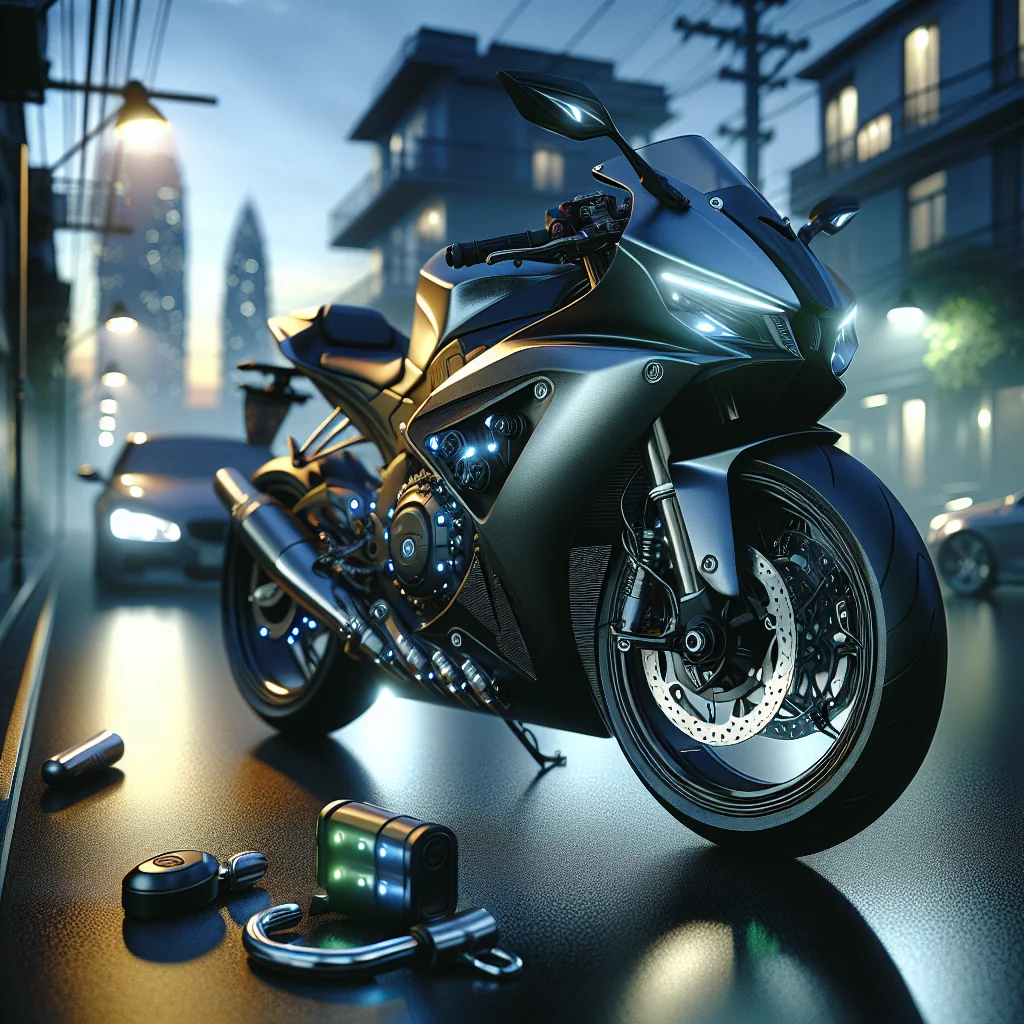
A motorcycle security alarm system protects your bike from theft and damage. The right alarm reduces risk and gives peace of mind. This guide explains how these systems work and how to choose one.
What Is a Motorcycle Security Alarm System?
A motorcycle security alarm system is an electronic device that guards your bike. The system senses movement, shock, or tampering. The alarm then reacts with sound, lights, or other actions.
Most systems link several small parts. Each part has a clear job and supports the others. Together, the parts form a simple but strong barrier against thieves.
Key Parts of a Motorcycle Security Alarm System
Each motorcycle alarm includes a few core parts. These parts work as a team to detect risk and scare thieves away. Knowing each part helps you compare products with more confidence.
Main Components Explained
The parts in most systems follow a similar pattern. The table below lists the main pieces and their role. Use the table as a quick reference before you shop.
| Component | Main Role | Why It Matters |
|---|---|---|
| Control unit | Receives signals and triggers responses | Acts as the brain of the system |
| Siren | Emits loud sound during an alert | Scares thieves and draws attention |
| Sensors | Detect movement, shock, or tilt | Spot tampering or towing attempts |
| Remote / key fob | Arms and disarms the alarm | Gives fast and easy control |
| Immobilizer (optional) | Blocks engine start | Stops hot-wiring and key theft starts |
| GPS module (optional) | Tracks bike location | Helps find a stolen motorcycle |
Many budget alarms include only a siren and a basic sensor. Higher-end systems add immobilizers and GPS tracking. Your choice should match your risk level and budget.
How a Motorcycle Security Alarm System Works
A motorcycle security alarm system follows a simple chain of actions. The rider arms the system. Sensors then watch for signs of theft and send signals to the control unit.
Step-by-Step Alarm Process
The process stays similar across most brands. The details below show how an alarm reacts in real life. This helps you see where each feature adds value.
- You press the remote to arm the motorcycle security alarm system.
- The control unit checks that all parts connect and respond.
- Sensors stand by and watch for movement, tilt, or impact.
- A thief moves or hits the bike, or tries to start the engine.
- Sensors send a signal to the control unit within seconds.
- The control unit triggers the siren and hazard lights.
- An immobilizer, if installed, blocks the ignition circuit.
- A GPS module, if present, logs and sends the new location.
Some alarms offer a short warning beep before a full alert. This warning can reduce false alarms from light bumps. You can often adjust this level in the settings.
Why You Need a Motorcycle Security Alarm System
A motorcycle is easy to move and quick to load into a van. Thieves know this and often target bikes. A clear security setup changes the risk and slows the thief down.
A motorcycle security alarm system adds more than just sound. The system creates layers of defense that make theft harder. Many thieves will move on to an easier target.
Main Benefits for Riders
Riders gain several direct benefits from a good alarm. The list below sums up the most important ones. Use these points to weigh the value against the cost.
- Lower theft risk through sound, light, and engine lockout.
- Faster recovery with GPS tracking and alerts.
- Peace of mind when parking in public or overnight.
- Possible insurance discounts in some regions.
- Extra control over who can start and move the bike.
Insurance companies often like extra security layers. In some markets, proof of a motorcycle security alarm system can reduce premiums. Check with your provider for clear terms.
Types of Motorcycle Security Alarm Systems
Different riders face different risks and budgets. Alarm makers offer several types of systems to match these needs. Each type has strengths and some weak points.
Basic Siren Alarms
Basic siren alarms use a simple shock or tilt sensor. The sensor triggers a loud sound when someone moves the bike. These alarms are cheap and easy to install.
However, basic alarms offer weak protection against skilled thieves. A thief can sometimes locate and cut the siren quickly. For high-risk areas, basic alarms may not be enough.
Immobilizer-Based Systems
Immobilizer systems block the engine from starting without the right signal. The system uses coded keys or remotes. Many modern motorcycles include some form of immobilizer from the factory.
This type stops hot-wiring and key copying in many cases. Still, an immobilizer alone will not stop a thief from lifting the bike into a van. Pair the immobilizer with other tools for best results.
GPS and Smart Alarms
GPS alarms add location tracking and smart alerts. Many smart systems connect to a phone app. The app sends push alerts when the system senses movement or tampering.
Some smart alarms allow remote engine blocking or geo-fencing. Geo-fencing sets a safe zone for your bike and sends alerts when the bike leaves that zone. These features help with recovery after a theft.
How to Choose the Right Motorcycle Security Alarm System
The best motorcycle security alarm system fits your bike, area, and habits. You should weigh risk, price, and features together. A clear plan helps you avoid overpaying for tools you never use.
Key Factors to Compare
Before you buy an alarm, review a few core points. These points guide you through the main trade-offs. You can then build a short list of good options.
- Assess your local theft rate and parking habits.
- Set a clear budget range for the system.
- Decide if you need GPS tracking or only a siren.
- Check if the alarm fits your bike model and wiring.
- Look for water and dust resistance ratings.
- Read user reviews for false alarm issues.
- Confirm battery drain levels on the motorcycle.
- Check warranty length and support channels.
Urban riders who park on the street often need stronger alarms. Rural riders with locked garages may focus more on simple immobilizers. Your use case should drive your final choice.
Installation Basics and Best Practices
Good hardware still fails if installed poorly. A clean install hides weak points and keeps the bike safe. You can install some systems yourself, while others need a pro.
DIY vs Professional Install
Plug-and-play alarms often suit DIY riders. These kits use simple connectors and clear guides. You still need basic tools and care with the wiring.
More advanced systems may require a trained technician. A pro can hide wires, avoid damage, and protect your warranty. Many dealers offer install bundles with new bikes.
Placement and Wiring Tips
Try to hide the control unit and siren deep in the bike. A thief should not find them at a quick glance. Use black wire sheathing to blend wires with the original harness.
Route cables away from hot parts and sharp edges. Secure every wire with ties to reduce vibration wear. Always fuse power lines and follow the maker’s diagram closely.
Using Your Alarm Day to Day
A motorcycle security alarm system helps only if you use it. Build a simple habit that fits your normal routine. With time, arming the alarm will feel as natural as using the key.
Daily Use Tips
Small habits can raise safety without extra cost. The steps below keep your alarm ready and effective. You can adjust them for your own schedule.
- Arm the alarm every time you walk away from the bike.
- Test the siren and sensors once a month.
- Replace remote batteries on a fixed yearly date.
- Update the app and firmware for smart alarms.
- Store backup keys and codes in a safe place.
Regular tests reveal faults before a real theft attempt. A short monthly check can save a lot of pain later. Treat the alarm like any other safety gear, such as a helmet or jacket.
Combine Your Alarm with Other Security Layers
No single device can stop every theft attempt. A motorcycle security alarm system works best with other tools. Layers increase the time and effort a thief must spend.
Extra Security Tools to Add
You can mix electronic and physical barriers for a stronger setup. The list below covers common add-ons that pair well with alarms. Each one adds a clear delay for thieves.
- Disc locks with alarms for visible wheel security.
- Heavy chains and ground anchors for home parking.
- Covers to hide brand and model from quick scans.
- Secure garage locks and motion lights.
- Marking kits to label key parts for police.
A thief must then cut through several barriers in a row. Most thieves prefer easy targets and will pass on a well-protected bike. Your goal is to make the motorcycle a high-risk choice for them.
Common Mistakes to Avoid
Some riders buy good alarms but still face theft risk. The issue often comes from use, not hardware. Avoid these common mistakes to keep the system effective.
Many riders leave the alarm off for quick stops. Thieves know this and watch busy spots like fuel stations. Try to arm the system even for short breaks.
Another mistake is using default codes and weak passwords. Change factory codes as soon as you install the alarm. Strong codes block simple hacking attempts.
Final Thoughts
A motorcycle security alarm system is a smart step for any rider. The system adds strong value for a fair cost, especially in high-risk areas. Focus on clear features, clean install, and steady habits.
Think of your alarm as part of a full security plan. Add locks, smart parking choices, and a cover to build layers. With these steps, you greatly cut the chance of losing your bike.